Moisture intrusion is the single most important factor impacting the integrity of a building. As such, it’s critical that a home inspector have the proper tools for a thorough moisture analysis and that potential home buyers get reliable, understandable information about moisture issues before making a final decision about a home purchase.
The Importance of Moisture Measurements in Home Inspections.
Moisture measurements provide the data necessary to assess a host of concerns about the home. These include the likelihood of problems with mold and fungi, when moisture content might be borderline for such risks and when materials are ripe for pest infestation or may already be infested. Generally, while fungi require about 20% moisture to grow and thrive, 17-20% is considered borderline. Some insect infestations can occur at moisture levels as low as 12-13%, particularly in humid conditions.
Moisture meters make a home inspector’s job easier and allow for more accurate and detailed information about the presence of moisture, the moisture content and its exact location. The quality of that information drives an inspector’s professional reputation. High quality, trustworthy readings also protects a contractor or home inspector from the liability that could otherwise occur from inaccurate moisture level readings.
Finding the Best Moisture Meter for Home Inspections.
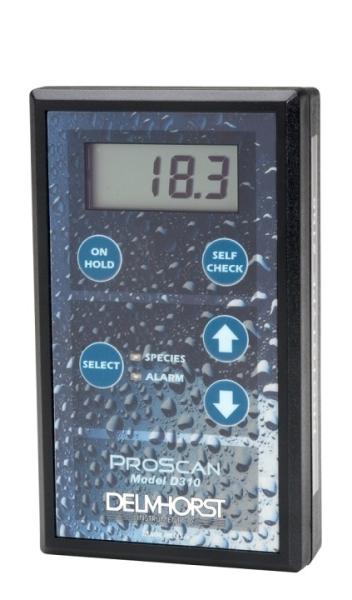
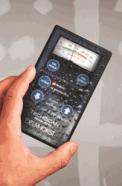
Of course, not all moisture meters are equal and not every moisture meter is suitable for every task. Not only is it important to identify the best moisture meter for home inspections, but also to understand that the well-equipped inspector may have occasion to use more than one meter. For example, a home inspector may choose to use a pinless moisture meter for initial scanning, since the meter is non-intrusive and easy to use. It’s a good tool for quickly identifying areas of concern.
Versatile and non-destructive, the all new Delmhorst pinless TechScan moisture meter combines innovative features with easy operation. Quickly cover large areas and locate high moisture spots with TechScan’s advanced RF technology and user-adjustable alarm.
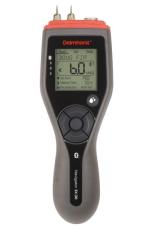
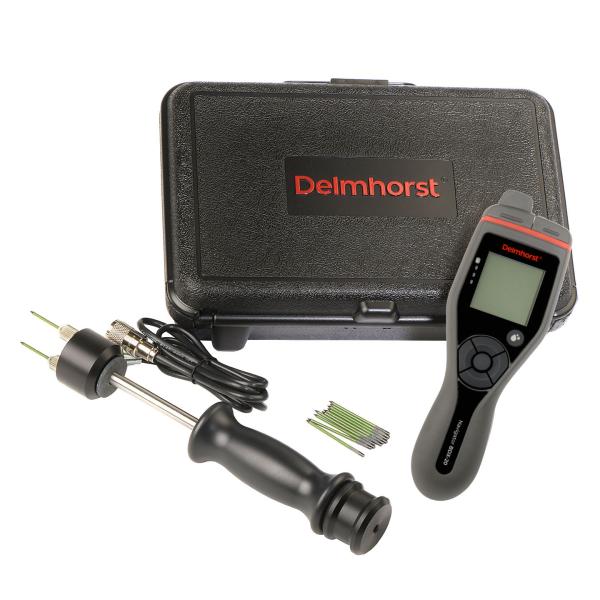
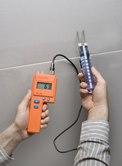
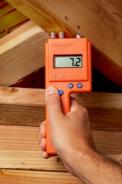
However, meters with pins can identify the location and degree of moisture with greater accuracy—especially those with coated prongs. A pin-type meter with coated contact pins registers moisture only at the tips, allowing the inspector to determine the precise location and depth of the pocket of moisture. Therefore, once an inspector has picked up on the presence of moisture with the pinless meter, the pin-type meter will allow him to focus in on the problem.
Moisture Danger Zones
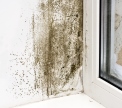
Though it’s important to conduct a thorough inspection of the property, the most common areas for moisture intrusion are around doors, windows and flashing. Often, moisture is able to intrude into walls due to faulty installation and improper sealing. Moisture can also collect due to slow leaks in piping: these problems typically occur under sinks, behind dishwashers and refrigerators and around bathroom plumbing. Therefore, those areas should receive special attention during the inspection. A visual inspection of siding can also reveal areas that require closer inspection. Staining, streaking and discoloration can indicate moisture collection.
Moisture in the home can create a wide range of problems for a homeowner, ranging from structural deterioration to health problems associated with hidden mold or certain types of pests. The well-prepared inspector will take the time to select the best moisture meter for home inspections and thoroughly canvas for moisture issues in the home.
For help determining which Moisture Meter is best for your home inspection and pest control, call a Delmhorst specialist at +31 73 6395080 or send us a short message.